
What Happens When You File for Bankruptcy in Ontario? A Clear, Step by Step Guide
If you feel overwhelmed by debt, collection calls or the pressure of falling behind on payments, you are not alone. Many people across Ontario face the same stress, regardless of their job, lifestyle or income level. Understanding the steps involved in filing for personal bankruptcy can help reduce anxiety and allow you to make a clear, informed decision.
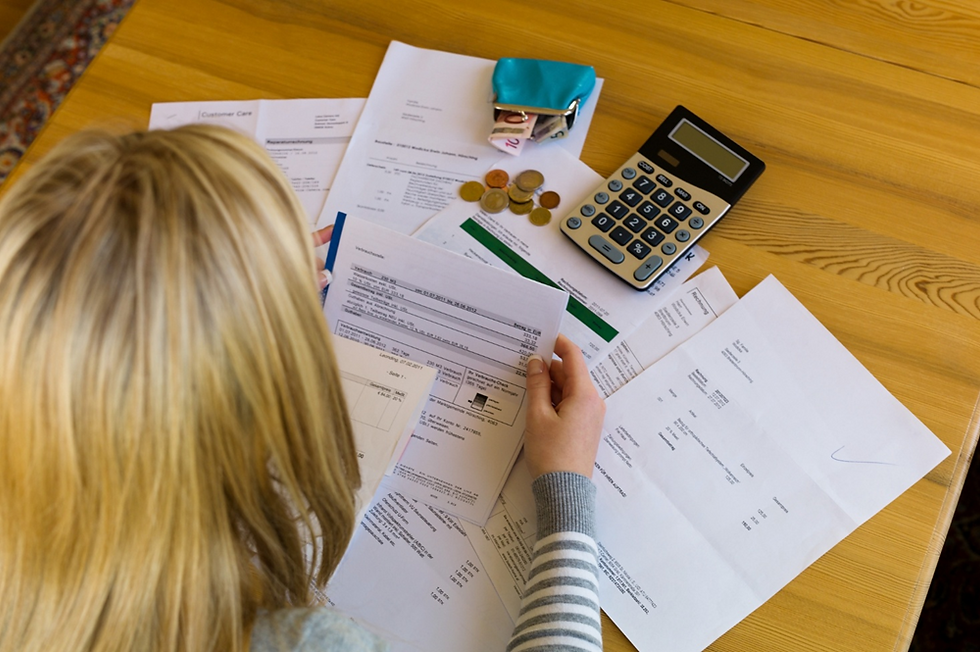
This guide walks through the bankruptcy process in Ontario, what happens to your debts and assets, how long bankruptcy lasts, alternatives you can consider and how a Licensed Insolvency Trustee (LIT) helps each step of the way.
Understanding Bankruptcy
Personal bankruptcy is a federally regulated process that provides a structured way to deal with debt when other options are no longer realistic. It gives honest, insolvent individuals a chance to reset their finances and rebuild over time. Personal bankruptcy in Canada is governed by the Bankruptcy and Insolvency Act and is overseen by the Office of the Superintendent of Bankruptcy, the federal regulator responsible for the insolvency system.
Only a Licensed Insolvency Trustee can administer personal bankruptcy. D. & A. MacLeod Company Ltd. supports individuals across Ottawa, Brockville, Cornwall, Kingston, Pembroke and Smiths Falls. Each community experiences different pressures.
For example:
Ottawa residents often need help with CRA debt and wage garnishments.
In Brockville and Cornwall, people frequently ask about surplus income rules.
In Kingston, Pembroke and Smiths Falls, many want clarity about keeping a vehicle or tools of the trade.
This localized support ensures the advice you receive reflects the realities of living and working in Ontario.
Why People Consider Filing for Bankruptcy?
People file for bankruptcy for many reasons, often outside their control. The most common include:
Sudden job loss or reduced work hours
Rising living costs that stretch budgets too thin
High interest on credit cards or lines of credit
Divorce or separation, which increases household expenses
Medical issues that reduce income or increase costs
CRA debt, which can lead to garnishments or frozen accounts
Bankruptcy is not a sign of failure. It is a legal tool designed to help people regain control.
What Happens When You File for Bankruptcy in Ontario?
The bankruptcy process follows clear steps. Here is what you can expect.
1. You Meet with a Licensed Insolvency Trustee
Your first step is a confidential consultation. The LIT reviews your financial situation, explains all available options and confirms whether personal bankruptcy is appropriate.
They may also discuss alternative services such as consumer proposals, debt counselling or creditor protection.
2. Your Paperwork Is Prepared and Filed
If you choose to file, the Licensed Insolvency Trustee prepares and submits legal documents on your behalf. Bankruptcy takes effect immediately once filed.
3. Collection Calls and Legal Actions Stop
Filing triggers an automatic stay of proceedings, which stops:
Collection calls
Wage garnishments
Most legal actions, including lawsuits and judgments
This protection is one of the most immediate benefits of declaring bankruptcy in Ontario.
4. You Submit Monthly Income Statements
Throughout your bankruptcy, you report your monthly income and expenses. These reports determine whether surplus income applies under federal guidelines.
5. You Complete Two Financial Counselling Sessions
You attend two counselling sessions with your LIT. These sessions help you:
Build financial awareness
Strengthen budgeting skills
Develop healthier long‑term habits
6. What Happens to Your Debts?
Bankruptcy typically includes unsecured debts, such as:
Credit card balances
Personal loans
Lines of credit
Payday loans
CRA tax debt
Certain overdue bills
Some debts are not discharged, including:
Child support and spousal support
Court‑ordered fines
Student loans less than seven years old (unless hardship applies)
Your LIT will explain how each category applies to your situation.
What Bankruptcy Does Not Do
It is also important to understand what bankruptcy cannot do. It does not:
Erase secured debt such as a mortgage or car loan
Remove the responsibility of co‑signers
Cancel government fines or penalties
Protect assets that fall outside provincial exemptions
Understanding these limits helps set clear expectations.
What Happens to Your Assets?
Ontario law includes several bankruptcy exemptions that allow you to keep essential assets. These can include:
Most clothing
Household furniture and appliances within provincial limits
A modest vehicle if it fits exemption rules
Tools or equipment needed to earn income
Certain pensions and registered plans
Most people keep more than they expect. Your LIT will break down your specific situation in detail.
How Long Does Personal Bankruptcy Last?
The duration depends on whether this is your first bankruptcy and whether surplus income applies.
A first‑time bankruptcy with no surplus income may last as little as nine months.
If surplus income applies, the process is longer.
Repeat bankruptcies have longer timelines.
The Licensed Insolvency Trustee confirms the exact timeframe based on federal rules.
How Bankruptcy Affects Your Credit Score in Canada
Bankruptcy affects your credit score, but the impact is not permanent.
A first‑time bankruptcy typically stays on your credit report for six to seven years after discharge.
You can begin rebuilding your credit immediately after discharge.
Many choose to start with a secured credit card.
Responsible credit use and budgeting help improve your score over time.
Your LIT will outline credit rebuilding steps during counselling sessions.
Alternatives to Filing for Bankruptcy
Bankruptcy is not the only option. A Licensed Insolvency Trustee can also help you evaluate:
A legally binding settlement that allows you to repay only a portion of your debt over time, with interest stopped and legal protection in place.
A practical approach for budgeting, managing payments and planning ahead.
Creditor Protection
This may help reduce collection pressure while you review your options.
Many individuals choose these options when they want to avoid filing for bankruptcy.
How a Licensed Insolvency Trustee Helps You Rebuild
Your relationship with the LITs does not end when you file. They also help you:
Understand your financial starting point after bankruptcy
Create a realistic household budget
Manage future borrowing responsibly
Improve your credit profile step by step
Learn tools for long‑term financial stability
This support provides a foundation for a healthier financial future.
Ontario Bankruptcy Terms You Should Know
Automatic stay: Legal protection that stops most collection actions once you file.
Surplus income: Additional income above government guidelines that may extend your bankruptcy.
Discharge: The release from eligible unsecured debts after completing bankruptcy duties.
Exempt assets: Items you are allowed to keep under Ontario law.
Insolvent: Unable to pay debts as they become due.
Clarifying the Process: Common Questions
Will I lose my home if I file for bankruptcy in Ontario?
Not necessarily. Bankruptcy does not automatically mean you lose your home. What happens depends on your home equity, mortgage status and Ontario exemption rules. Your Licensed Insolvency Trustee will review these details and explain your options, including situations where a consumer proposal may be better if you wish to keep your home.
Does bankruptcy stop wage garnishment?
Yes, in most cases. Once you file for bankruptcy, an automatic stay of proceedings requires most wage garnishments to stop. This includes garnishments by many creditors, including the Canada Revenue Agency.
Can I get a credit card after bankruptcy?
Yes. Many people begin rebuilding their credit with a secured credit card after receiving their discharge. Responsible use and on‑time payments can help re‑establish credit over time.
What happens to joint debt in bankruptcy?
Bankruptcy only eliminates your responsibility for the debt. If a spouse, family member or friend co‑signed or jointly holds the account, they remain responsible for the remaining balance.
Will bankruptcy affect my ability to rent a home?
Most landlords look at income, references and employment history first. Bankruptcy may appear on your credit report, but many people continue to rent without issue. Your LIT can also offer guidance on discussing your situation with future landlords.
How much does it cost to file for bankruptcy in Ontario?
Costs vary depending on your income, whether surplus income applies and your specific situation. Your LIT will outline the costs during your consultation and explain how payments work.
What if I receive a tax refund during bankruptcy?
Tax refunds for the year of bankruptcy typically go to the LIT for the benefit of your creditors. Your Licensed Insolvency Trustee will explain how this works and how it may impact your financial planning.
Can I choose between bankruptcy and a consumer proposal?
Yes. Both options are administered by a Licensed Insolvency Trustee, who will help you understand the differences. A proposal is often chosen by people who want to keep assets or avoid surplus income payments.
Does filing for bankruptcy affect my spouse?
Not usually. Your spouse is only responsible for debts they co‑signed or jointly hold with you. Their personal credit report and financial standing are not impacted by your bankruptcy filing. However, if the two of you share joint accounts, loans or credit cards, your spouse will remain fully responsible for the outstanding balance on those shared debts. In some cases, couples explore options together, such as a consumer proposal, if they share significant joint obligations.
Can I keep my vehicle during bankruptcy?
In many cases, yes. Ontario’s exemption rules allow you to keep a modest vehicle if its value falls within the provincial limit, or if you continue to make payments on a financed or leased car. The Licensed Insolvency Trustee will review the value of your vehicle, how it is financed and whether it is essential for work or family responsibilities. In situations where the equity is above the exemption limit, you may have options, including making a negotiated payment to keep the vehicle or choosing a consumer proposal instead of bankruptcy.
How long does bankruptcy stay on my credit report?
A first‑time bankruptcy typically remains on your credit report for six to seven years after discharge. Although this may seem like a long period, you can begin rebuilding your credit immediately once your bankruptcy is complete. Many people start with a secured credit card, consistent bill payments and a manageable budget. Over time, positive habits help rebuild your credit profile, and lenders often consider your full financial picture, not just your past bankruptcy.
Take the First Step with D. & A. MacLeod Company Ltd.
If you feel unsure about filing for personal bankruptcy or want to compare all debt relief options available in Ontario, you do not have to move forward alone. Speaking with a Licensed Insolvency Trustee can bring clarity, reassurance and a sense of direction during a challenging time. D. & A. MacLeod Company Ltd. offers confidential, professional guidance to help you understand your situation, review every option and determine what makes the most sense for your financial future.
Take the next step toward clarity and confidence. Contact D. & A. MacLeod Company Ltd. to speak with a Licensed Insolvency Trustee today.
Comments